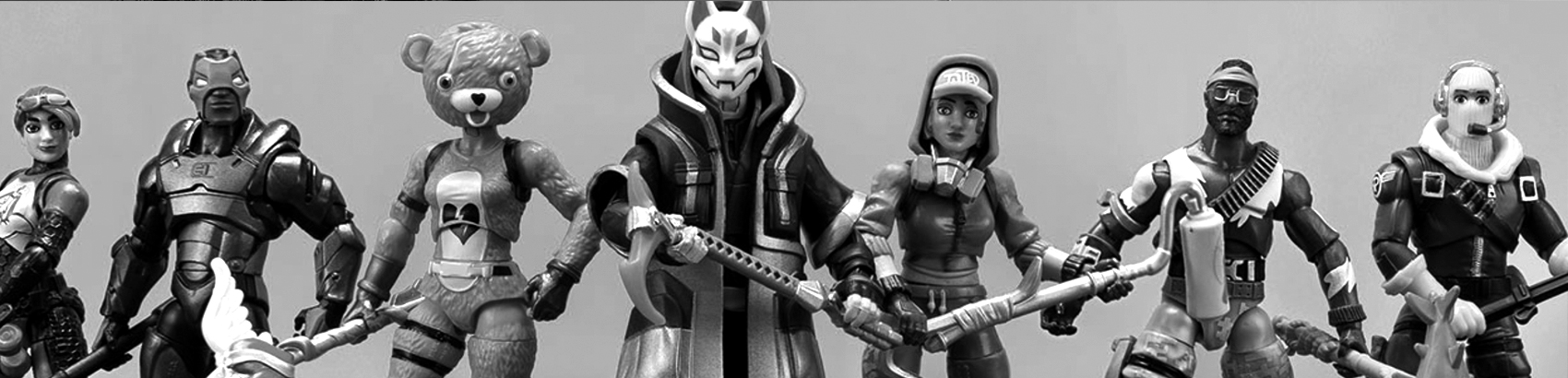
FORTNITE
Enhancing Player Engagement and In-Game Purchases
The Fortnite Collector's Guide needed a redesign to boost player engagement and in-game purchases. As the UX lead, I conducted user research, developed intuitive navigation, and added progress tracking, resulting in a 30% increase in session duration and a 25% rise in in-game purchases.
MY ROLE
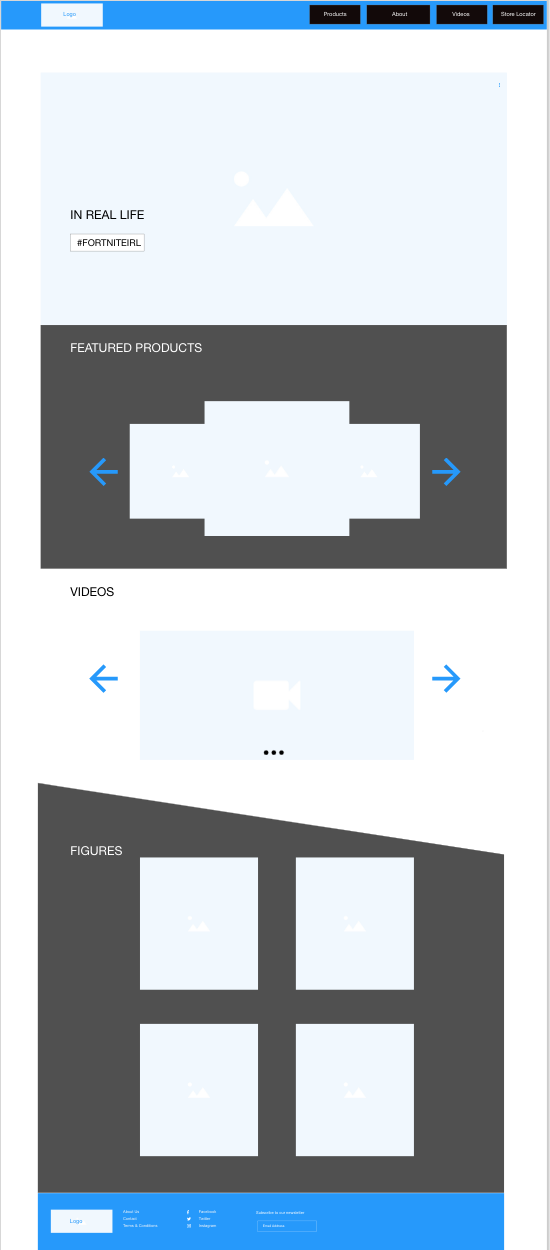
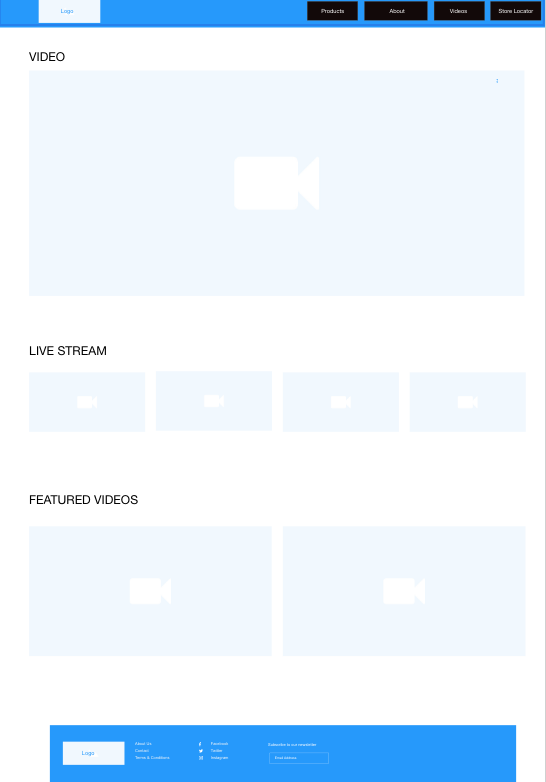
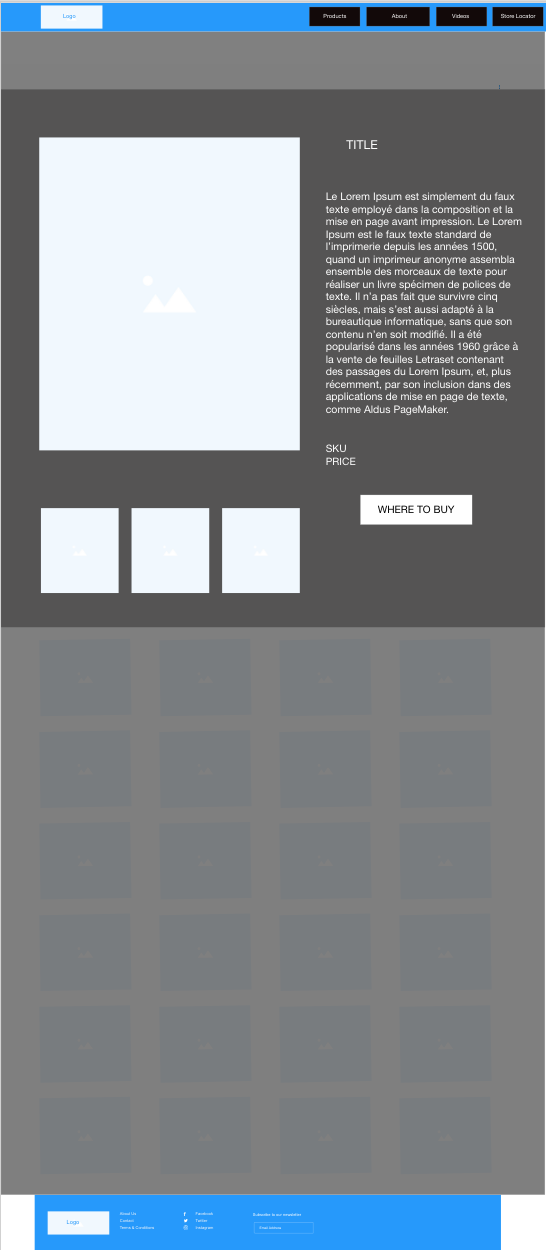
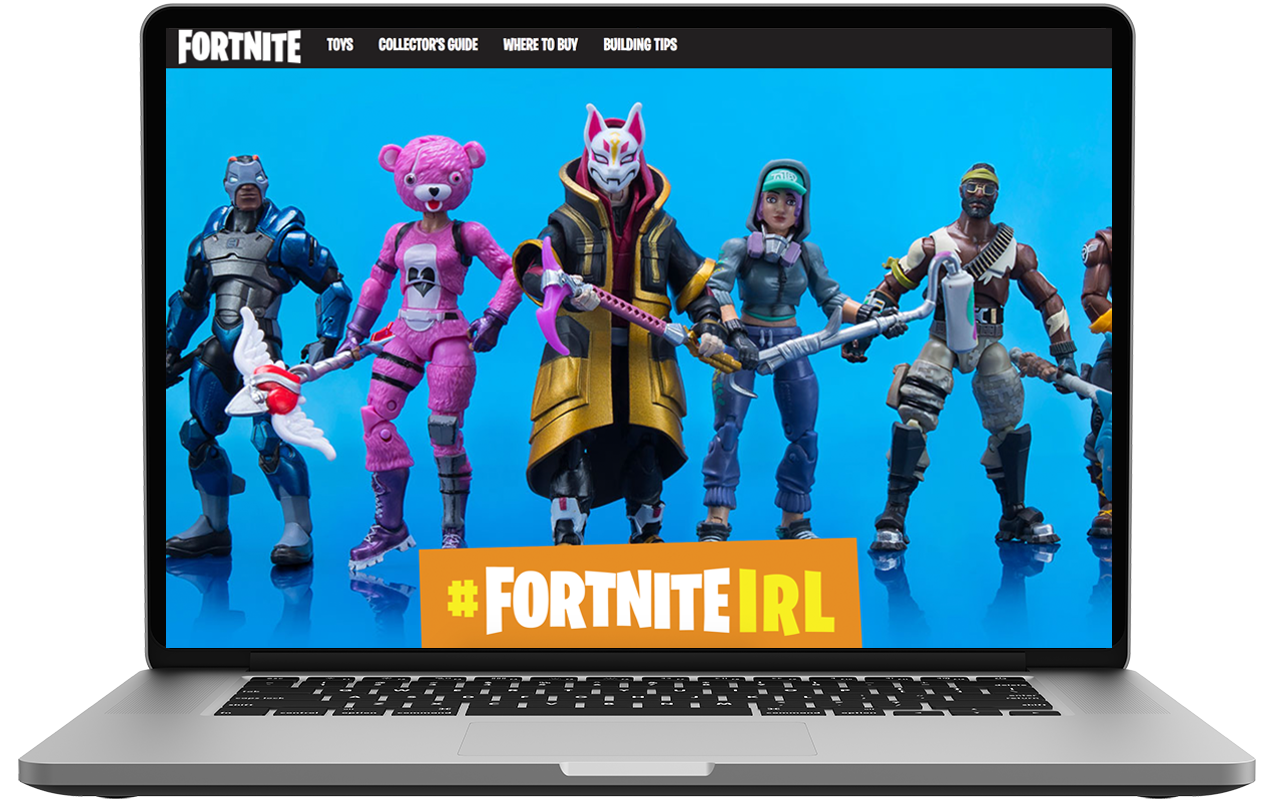
From August to December 2018, I led the 'Fortnite Collector Guide Redesign' project as the UX/UI Designer, overseeing every phase of the design process. My responsibilities spanned from initial user research to the creation of high-fidelity prototypes, ensuring a seamless, engaging user experience. I crafted an intuitive and visually appealing interface, collaborated closely with the development team to enable smooth integration, and conducted iterative usability testing to continuously refine and enhance the design. Additionally, my role extended to the development of a supporting website, amplifying the reach and accessibility of the redesigned guide.
CHALLENGES
Fortnite’s existing Collector’s Guide faced high bounce rates and short session durations, as players found it challenging to explore and manage collectibles. The challenge was to create an engaging, visually appealing guide that would encourage exploration, increase time spent in the app, and support purchase decisions without disrupting gameplay.
RESEARCH AND INSIGHTS
I began with an in-depth user research phase, conducting surveys, interviews, and usability tests with players across various skill levels. This research uncovered that players desired a clear, visually appealing way to track collectibles, as well as personalized tracking features that added value to their gaming experience. These insights guided the UX design toward a solution that emphasized ease of navigation, personalization, and accessibility.
DESIGN PROCESS
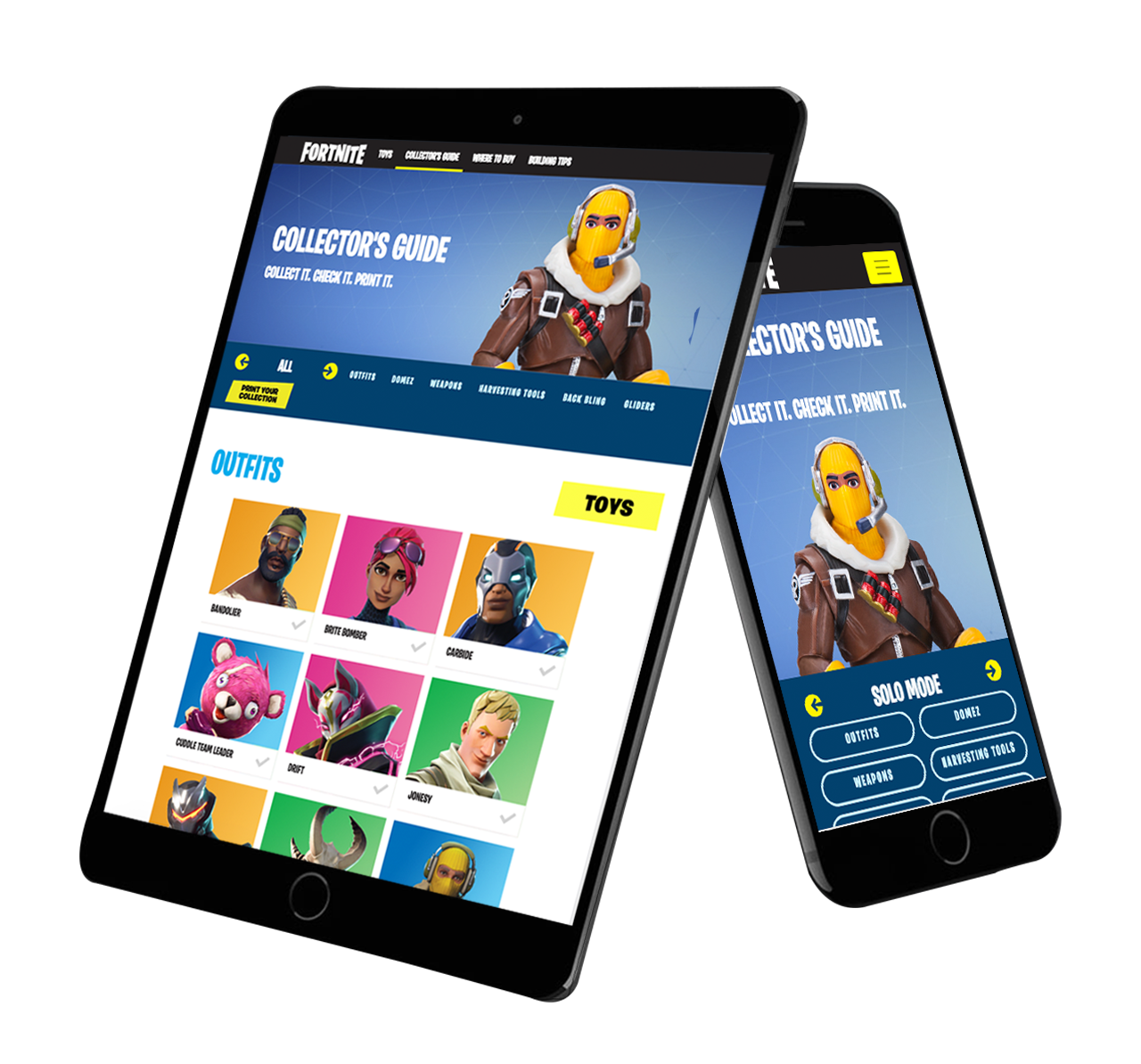
Using Figma, I facilitated collaborative design sessions with cross-functional teams to develop wireframes and interactive prototypes. I focused on creating an intuitive layout with visually organized content that highlighted each collectible’s value, story, and availability. Through iterative usability testing, we validated key design elements, such as interactive navigation and progress tracking, ensuring each feature met players’ needs.
Implementation
Key Design Decisions:
Interactive Navigation: We simplified navigation by introducing a clear, visual index of collectibles, reducing cognitive load and improving player orientation within the guide.
Personalized Tracking: Added progress indicators and goal-setting tools, allowing players to monitor their journey, which led to a 30% increase in session duration as players returned to track their progress.
Immersive Visuals and Storytelling:Integrated storytelling elements into each collectible’s profile, transforming the guide into a dynamic exploration tool that resonated with player interests and led to a 15% decrease in bounce rate.
Throughout the project, I ensured that these UX features were seamlessly integrated by collaborating closely with developers and conducting iterative usability testing. This process allowed for continual refinement, ensuring the final design aligned with both user needs and business goals.
LEADERSHIP ROLE
I facilitated collaborative sprints with product managers, developers, and designers, creating a shared understanding of user needs and technical constraints. By conducting regular design reviews and usability testing workshops, I ensured that feedback was incorporated iteratively, resulting in a highly engaging and functional user experience. My leadership helped resolve conflicting priorities, maintaining alignment with both user goals and project timelines.
OUTCOMES AND IMPACT
The redesigned Collector’s Guide significantly boosted engagement metrics. Players spent an average of 30% longer per session, and bounce rates dropped by 15%. The ease of navigation and personalization also contributed to a 25% increase in in-game purchases, as players found the guide enjoyable and useful for making informed decisions.
REFLECTION AND LEARNINGS
This project underscored the importance of user-centered design and the impact of iterative testing in creating a product that aligns with both user needs and business goals. Leading this project strengthened my ability to guide cross-functional teams toward a cohesive vision, ensuring alignment from research through to final implementation. This experience reinforced my skills in strategic UX leadership and the value of continuous improvement, preparing me for future high-impact projects in UX design.
FUTURE CONSIDERATIONS
For ongoing optimization, I recommended conducting A/B testing and gathering user feedback on new features to ensure the Collector’s Guide remains relevant and engaging. Future enhancements, such as more advanced customization options within the guide, could further personalize the experience, fostering deeper player loyalty and engagement.